How Do I Convert a Bathroom or Basement Into a Home Sauna Room?
If you're looking to convert a bathroom into a sauna or planning a basement sauna conversion, the space needs more than a heater and benches. You'll need to account for the walls, vapor barrier, flooring, electrical requirements, ventilation, and the specific conditions of the room.
Here's what the conversion involves, how bathrooms and basements differ, and when it's worth bringing in a professional.
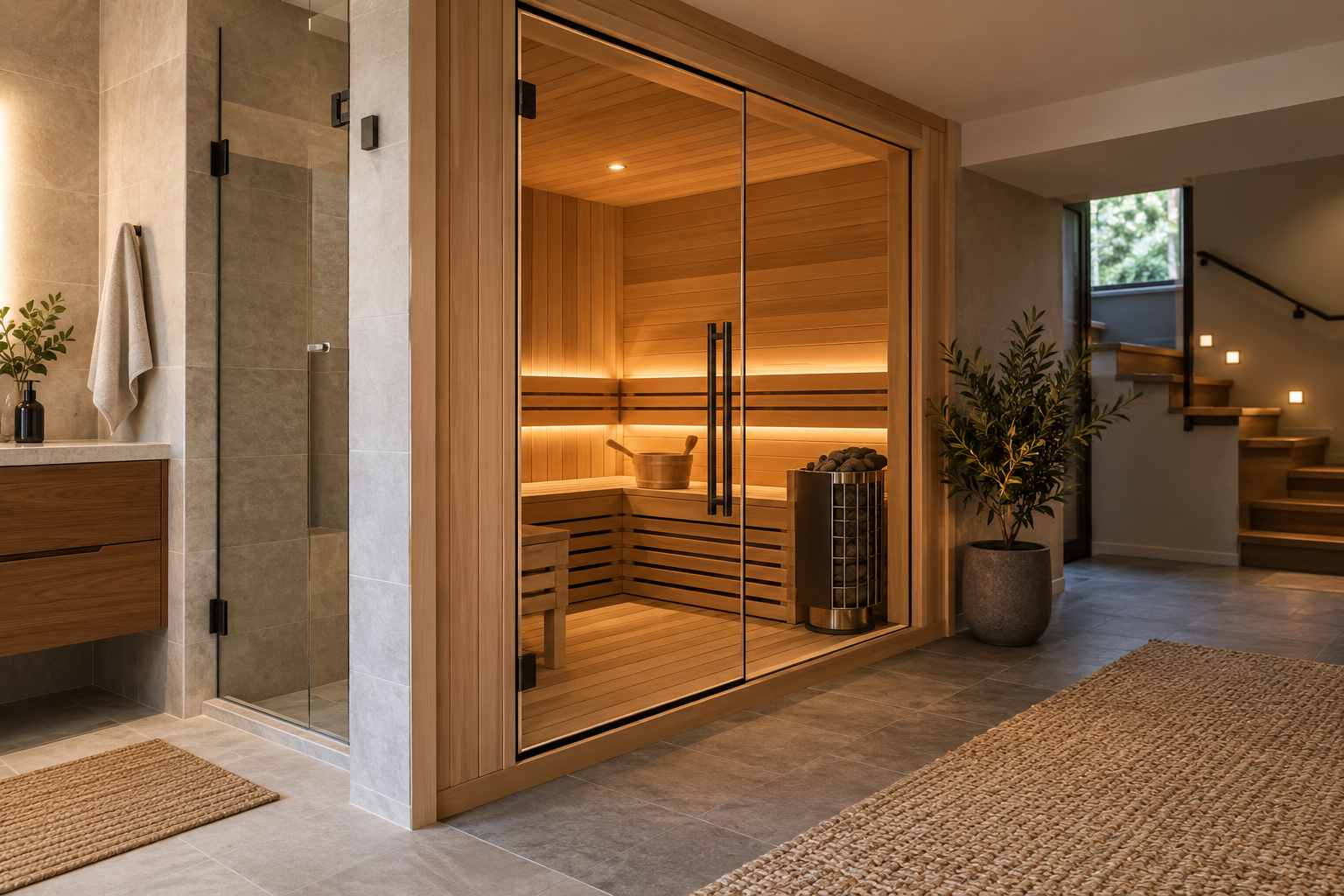
What Do You Need to Convert an Existing Room Into a Sauna?
What Structural and Waterproofing Changes Are Needed?
Existing bathroom tile, drywall, and other room finishes aren't necessarily designed for sustained sauna heat and humidity. A proper conversion typically requires building the sauna enclosure with appropriate insulation, a vapor barrier, and heat-tolerant interior materials.
Key considerations include:
-
Vapor barrier: Install it according to the sauna's construction requirements.
-
Interior paneling: Cedar, aspen, or other appropriate sauna-rated wood is commonly used.
-
Flooring: Use a surface that can tolerate sauna conditions and is practical to clean.
-
Framing and insulation: The enclosure needs to be built around the requirements of the sauna design and heater.
For a custom build, you can explore sauna materials and components to see what's available for your project.

What Electrical Work Does a Sauna Conversion Require?
A sauna heater needs its own dedicated circuit, not a shared outlet on your existing bathroom or basement wiring. Most electric sauna heaters require a dedicated circuit, and many residential models require 240-volt service. The exact electrical requirements depend on the heater's wattage and model, so the manufacturer's specifications should determine the circuit size and installation requirements.
Because sauna heaters draw significant power and operate at high temperatures, electrical installation should be handled by a qualified electrician familiar with local code requirements. Permits and inspections may also be required depending on your location.
Before installation, confirm:
-
Heater kW rating
-
Voltage
-
Required amperage
-
Dedicated circuit requirements
-
Local permit/code requirements
-
Electrical panel capacity
What Ventilation Changes Does the Room Need?
A sauna needs intentional airflow, not simply a standard bathroom exhaust fan. Ventilation helps bring fresh air into the room, supports consistent heater performance, and helps move warm, humid air out of the sauna.
The exact vent locations and airflow requirements depend on the heater and sauna design, so follow the manufacturer's ventilation guidelines when planning the conversion.
Typical planning considerations:
-
Fresh-air intake
-
Exhaust/return path
-
Heater location
-
Room size
-
Airflow through the sauna
Before starting a conversion, it's also worth reviewing the broader requirements for indoor sauna placement. Our Indoor Sauna Installation Guide covers considerations such as room selection, space, ventilation, and installation.
What Should You Check Before Starting?
Before removing walls, fixtures, or finishes, make sure the room is actually suitable for a sauna conversion.
-
Measure the space: Confirm floor area and ceiling height.
-
Check moisture: Look for existing leaks, dampness, or water intrusion.
-
Check electrical capacity: Make sure your panel can support the planned heater.
-
Plan ventilation: Determine how fresh and exhaust air will move through the space.
-
Confirm access: Make sure the heater, benches, and other components can be brought into the room.
-
Check local requirements: Building, electrical, and ventilation requirements can vary by location.
Is a Bathroom or Basement the Better Space to Convert?
There isn't one universally better room to convert. The right starting point depends on the space you already have, the sauna size you want, and the condition of the room.
What Are the Advantages of Converting a Bathroom?
An existing bathroom can be a practical starting point because it may already have moisture-resistant flooring, nearby electrical service, and plumbing that can make the space easier to work with. A smaller bathroom can also keep the conversion relatively contained.
A bathroom may be a good fit if you:
-
Have an underused or rarely used bathroom
-
Want a compact 1–2 person sauna
-
Already have suitable flooring
-
Prefer keeping the sauna close to your existing bathroom or wellness routine
-
Have enough room for the sauna enclosure, heater, benches, and required clearances
The biggest limitation is usually space. A typical bathroom may not have enough usable floor area for a larger sauna, particularly once you account for the door, benches, heater, and required clearances.
What Are the Advantages of Converting a Basement?
A basement can offer more flexibility when you want a larger sauna or have an unfinished area available to build around. The additional floor space can make it easier to create a dedicated sauna enclosure rather than adapting an existing small room.
A basement may be a good fit if you:
-
Have unfinished or underused basement space
-
Want a 2–4 person sauna
-
Have sufficient ceiling height
-
Want to build a dedicated sauna area
-
Have room to accommodate the sauna's full footprint and installation requirements
The biggest consideration is moisture. Before starting a basement conversion, make sure there are no existing leaks, dampness, or water-intrusion problems. Building a sauna over an unresolved moisture issue can create bigger problems later.
Bathroom vs. Basement: Which Is Better for Your Sauna?
| If you prioritize... | Consider... |
| Compact footprint | Bathroom |
| Easy access to an existing wellness area | Bathroom |
| 1–2 person sauna | Bathroom |
| More floor space | Basement |
| 3–4 person sauna | Basement |
| Custom enclosure | Basement |
| Unfinished space | Basement |
The simplest way to decide is to start with the room you already have, then work backward from the sauna size, heater, and installation requirements that space can realistically accommodate.
When Should You Hire a Professional Instead of Doing This Yourself?
Some parts of a sauna conversion can be approachable for an experienced DIYer, but electrical work and existing moisture problems are areas where professional help is worth considering.
Consider hiring a professional for:
-
Electrical work: Sauna heaters typically require dedicated circuits and specific electrical requirements.
-
Moisture problems: Have existing leaks, dampness, or water intrusion assessed before enclosing the space.
-
Structural changes: Get help if you're modifying walls or making changes that affect the existing structure.
-
Ventilation: Consult a professional if you're unsure how to create the required airflow path.
Framing, paneling, and flooring may be manageable if you have renovation experience and are comfortable following the sauna manufacturer's requirements.
If you're planning a fully custom sauna rather than converting an existing room, our Custom DIY Sauna Building Guide walks through the process in more detail.
If a full custom build feels like more work than you want to take on, you have other options. Indoor sauna models offer a simpler way to add a sauna to an existing room, while complete sauna room kits provide the components for building a dedicated sauna space within it.
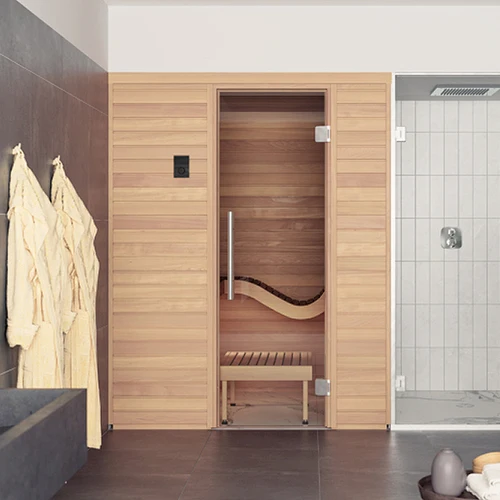
What Does a Bathroom or Basement Sauna Conversion Look Like Step by Step?
What Does a Bathroom Conversion Look Like Start to Finish?
A typical bathroom conversion follows a fairly straightforward sequence:
-
Assess the room — confirm dimensions, ceiling height, moisture conditions, and access.
-
Remove unnecessary fixtures — create the space needed for the sauna enclosure.
-
Frame the sauna area — build or modify the enclosure as needed.
-
Install insulation and vapor protection — follow the sauna design and manufacturer's specifications.
-
Add interior paneling and flooring — use appropriate sauna materials.
-
Complete electrical and ventilation work — install the heater circuit and required airflow system.
-
Install the heater and benches — complete the interior once the major construction work is finished.
What Does a Basement Conversion Look Like Start to Finish?
A basement conversion follows many of the same steps, but moisture assessment should come first.
-
Check for moisture issues — Address leaks, dampness, or water intrusion before construction.
-
Plan the sauna footprint — Confirm enough space for the enclosure, heater, benches, and clearances.
-
Frame the sauna area — Build the enclosure if you're working from unfinished space.
-
Install insulation and vapor protection.
-
Add interior paneling and flooring.
-
Complete electrical and ventilation work.
-
Install the heater and benches.
Basement projects may involve more construction than bathroom conversions when you're building a new enclosed room, but the basic sauna requirements remain the same.
The Bottom Line
A bathroom or basement can both work for a home sauna conversion, but the right choice depends on the space you have and the size of the sauna you want. Bathrooms can be practical for smaller installations, while basements often offer more flexibility for larger or custom builds.
Before you begin, confirm the room's dimensions, moisture conditions, electrical capacity, ventilation requirements, and available space for the heater and benches. If you're unsure about any of those requirements, consult a qualified professional before construction begins.
SIGN UP. SAVE BIG.
Subscribe to be the first to know about our special monthly sauna sales, sent right to your inbox.
































Let customers speak for us
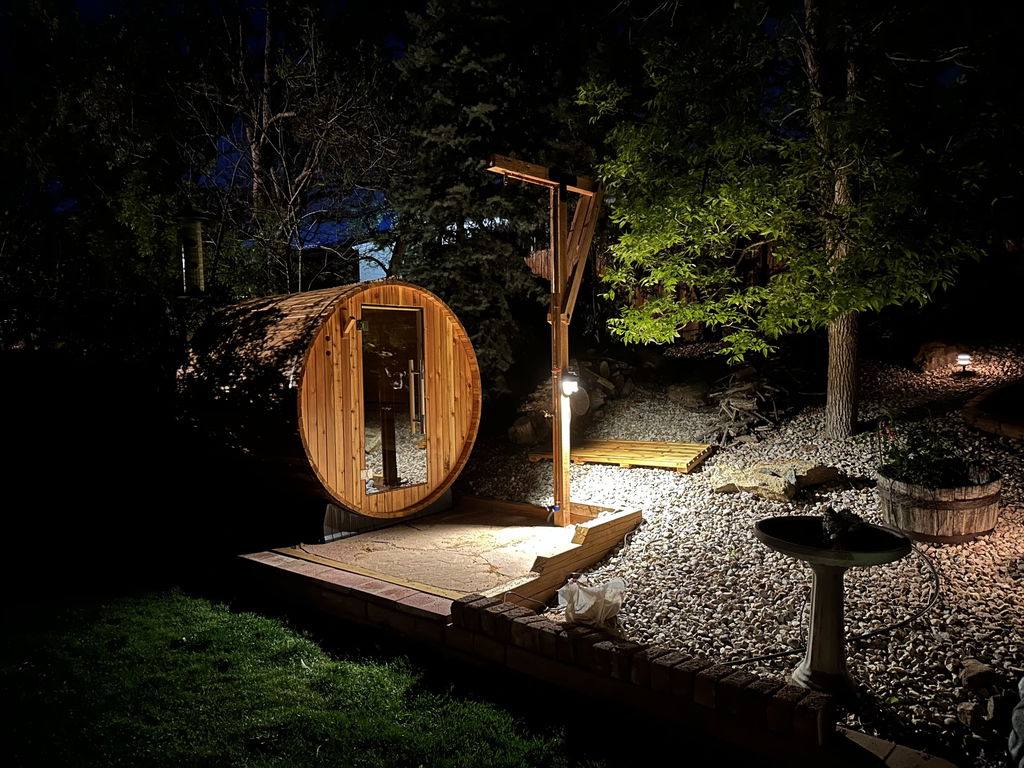
Good communication, easy delivery, easy set up, easy operation, great value. Recommended!
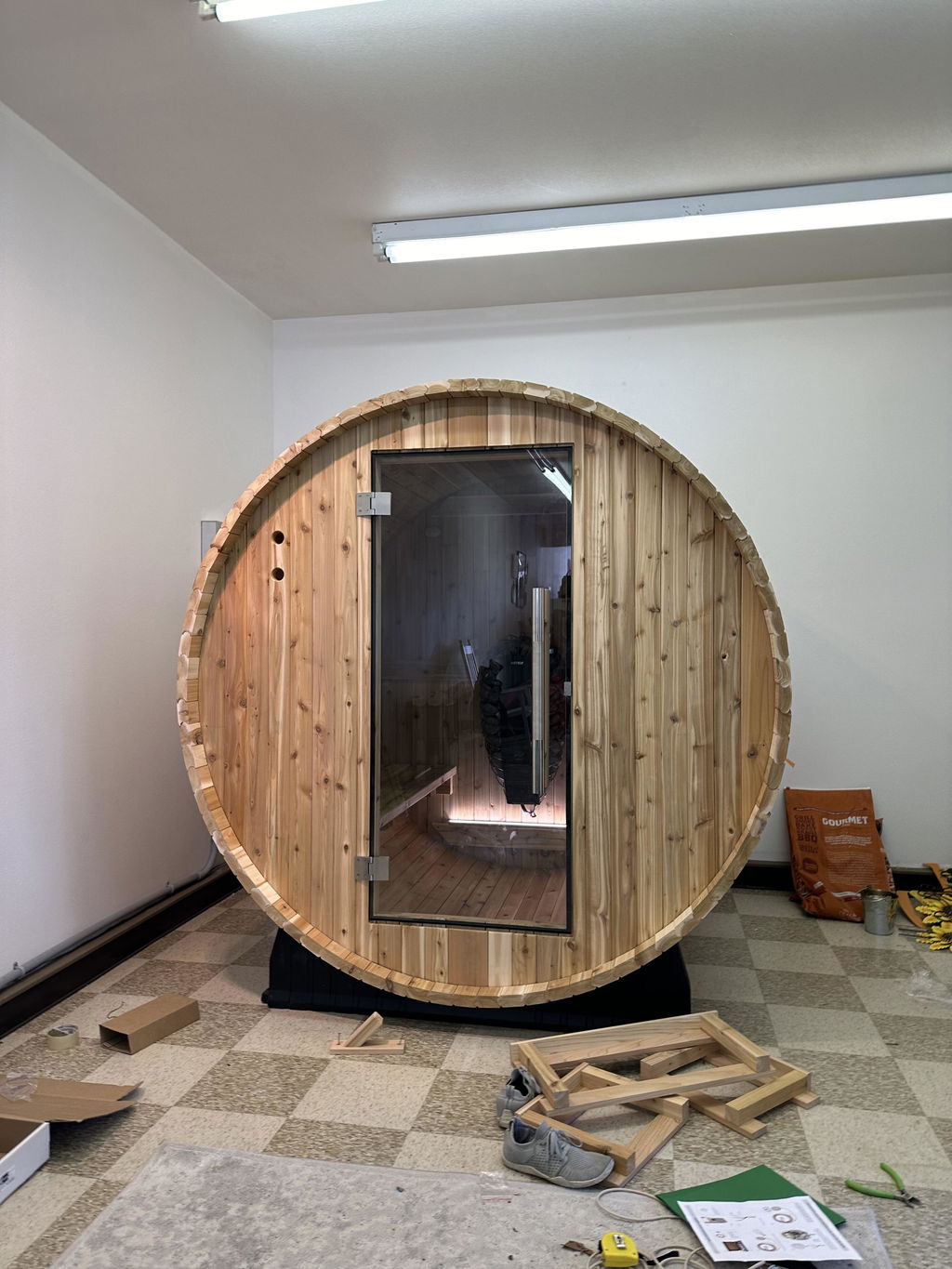
We ordered the 4 person barrel sauna and love it! We wanted a little extra space for the 2 of us/guests and it’s great. We could definitely fit 4 people in it if we needed. We use it every single day. It took about 10 weeks to get here because they build it specifically for the order. Putting the barrel together was fairly easy with 2 people. The electrical and the heater definitely required an electrician to install as we could have not done it alone.
We ordered the biggest heater (harvia spirit 8kw) and it heats up the sauna in about 15 mins inside our 40-50° garage. Overall this style of sauna is hotter and you sweat a lot faster than in an infrared sauna. I truly 10/10 recommend!
Pic is of us in the middle of building it.
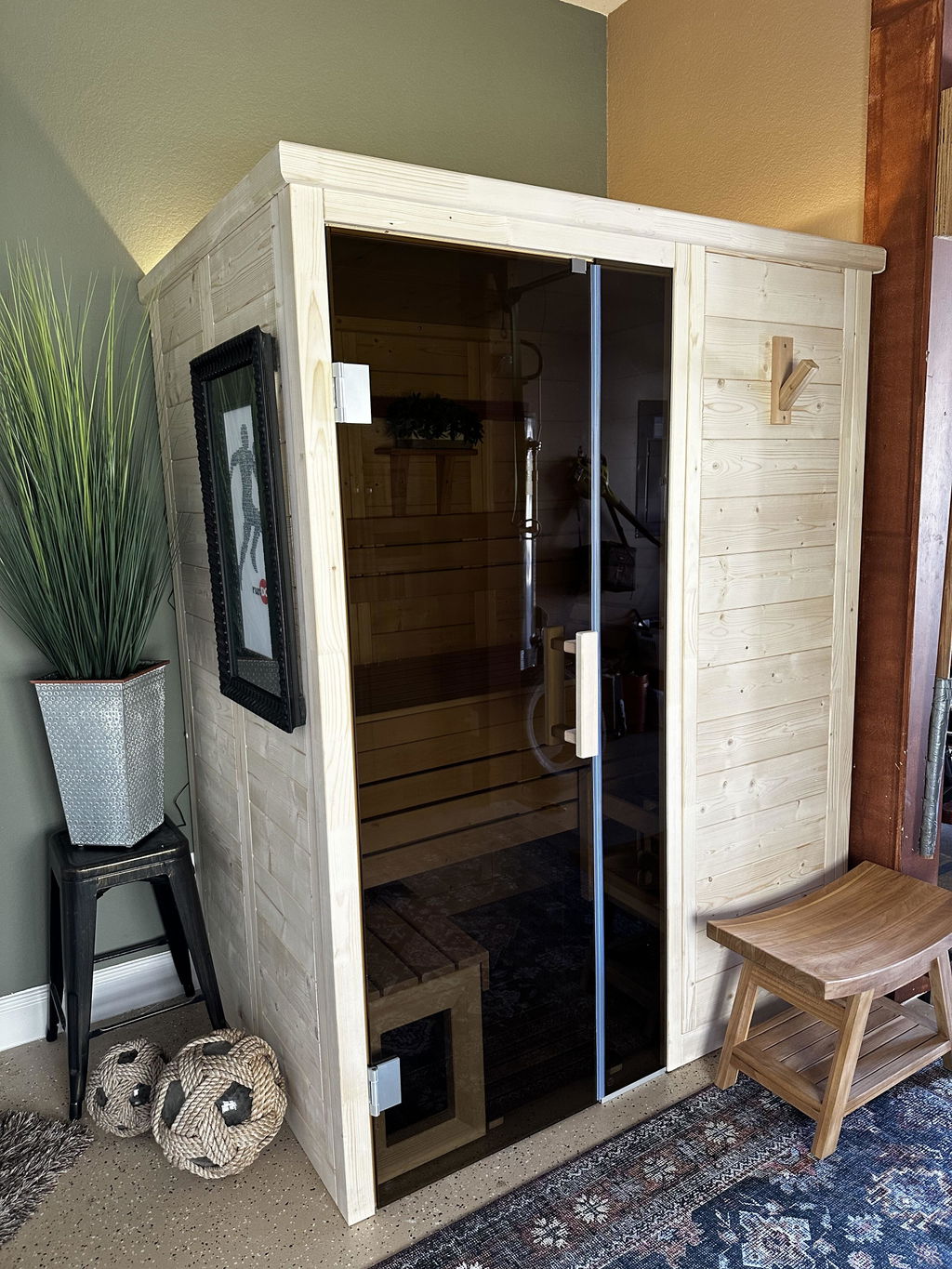
Took me about 6 hours over 2 evenings to assemble almost all by myself. Had a pro run a new circuit from my panel. Very well made and assembly was straightforward. Heater is well sized and reaches operating temperature in under 30 minutes.
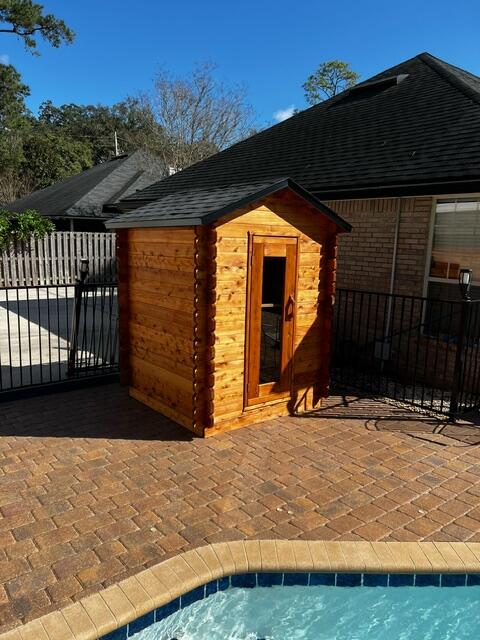
Great sauna very easy to assemble

The salt panel was a great addition to our Madison Sauna. It has excellent grain which is accented by the amazing color lights that glow through the panel. Also when you hit the rocks with a splash of water you can feel the heat bounce off the panel. Great addition if you are considering this option.
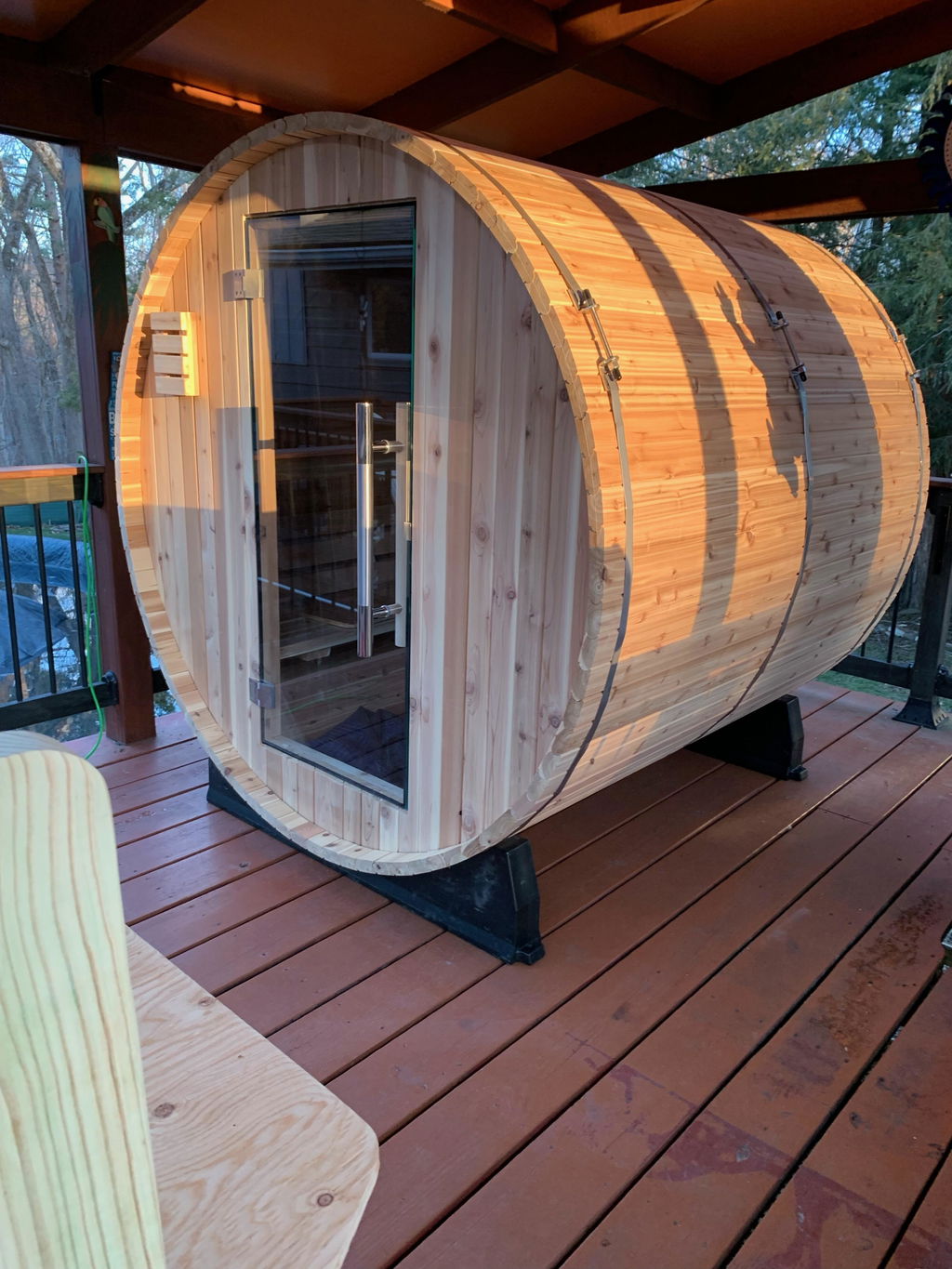
We can say enough about Sauna World there customer support is great! Our Pinnacle Sauna from Almost Heaven is epic.
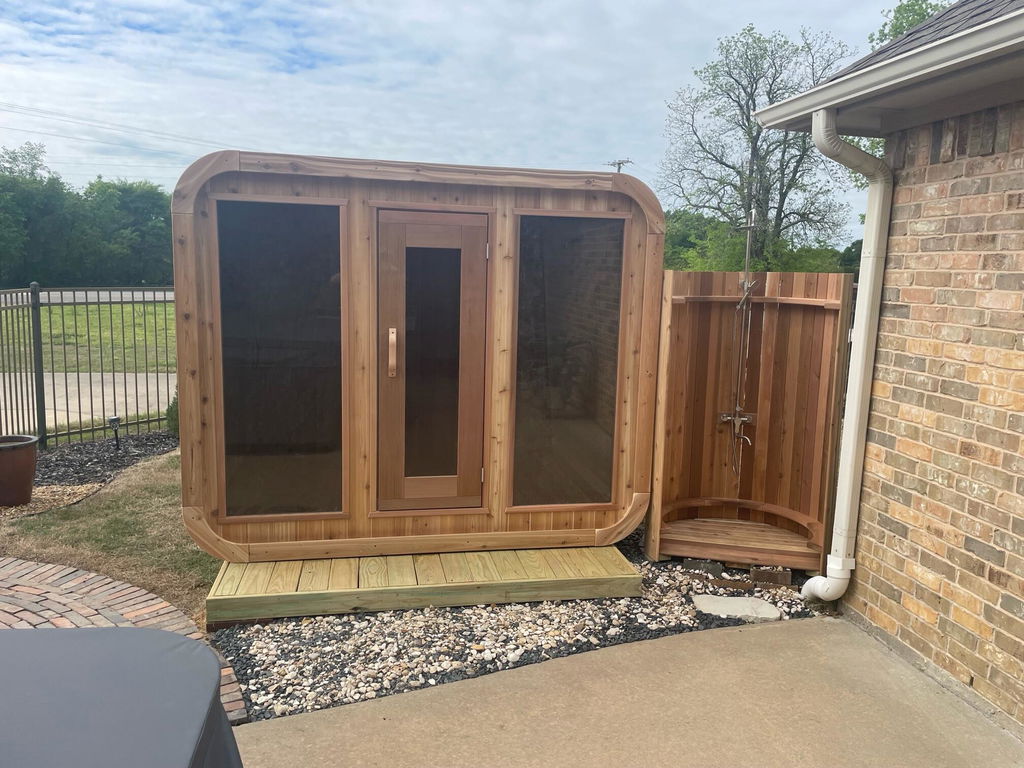
The finish and quality is outstanding and it was quick and easy to assemble.
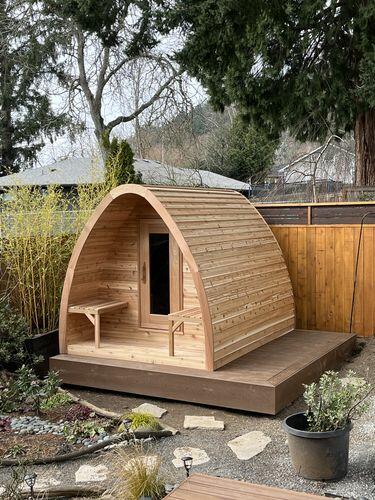
We are thrilled with our mini pod!! It came well shipped and our friend assembled it in 11 hours! Wow! We cannot wait to get healthy and sauna it up!
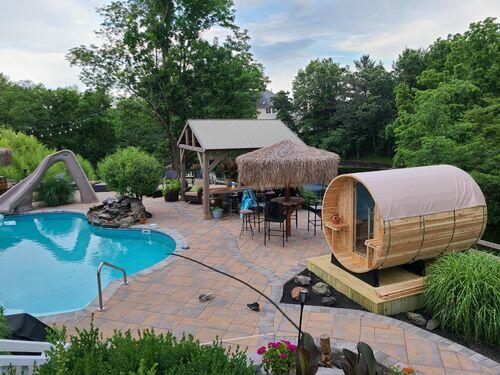
Beautiful sauna!!! Much easier than I expected to assemble, took a total of 4 hours. Can't wait to get warm by the pool on those cool evenings. Customer service was excellent..
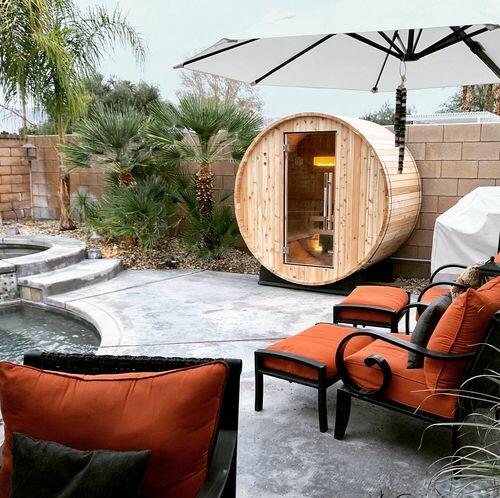
Purchased a 2 person Almost Heaven barrel sauna and were delighted with the product. The order process was quick and easy, the sauna arrived on-time, installation was simple, following the provided instructions, and the sauna is extremely high quality. We’ve used it daily for over 2 weeks and quite frankly I don’t know how we lived without it. If I had it to do over again I wouldn’t change a thing... except maybe purchasing a 4 person model to easier share with friends!
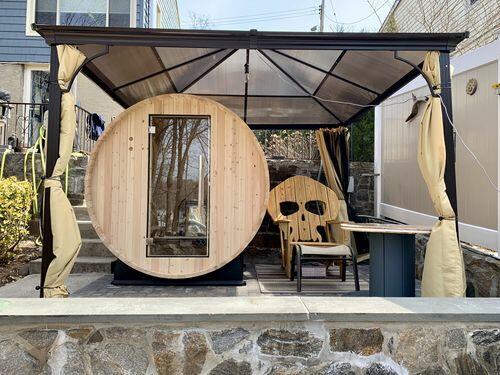
Great Customer Service and a breeze to put together.Excellent shipping and the Sauna is top notch, couldn’t be happier